Sugar Dating Scams and Payment Red Flags
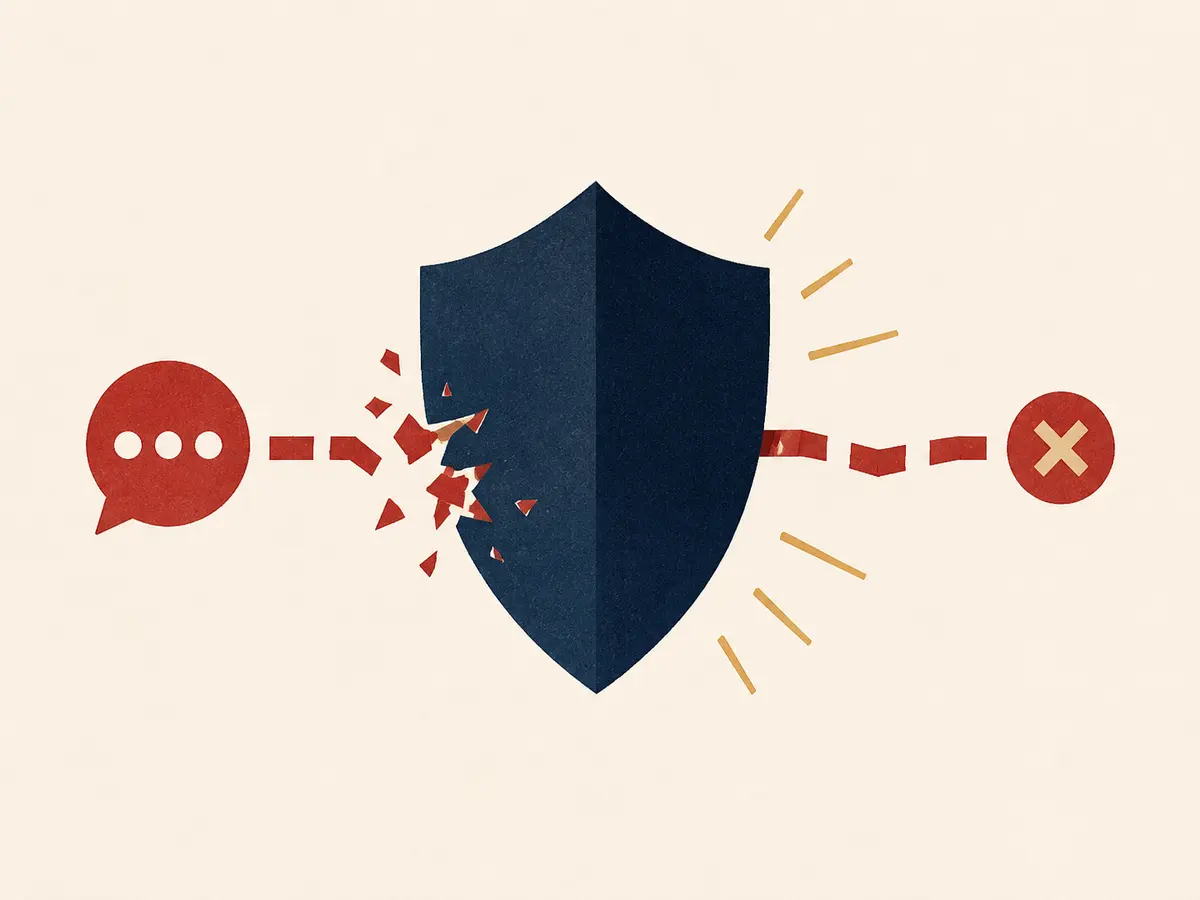
How fake benefactors, fake recipients and impersonators use advance fees, fake checks, hard-to-reverse payments and private images to take money or information.
Sugar dating scams often begin with an offer that appears unusually generous. A fake benefactor may promise an allowance, while a fake recipient may build trust and then invent an emergency. The story changes, but the payment pattern is usually easier to test than the person's profile.
This guide draws on official fraud advice and cases covered by Sugar Dating News. It focuses on situations where someone asks you to pay money, return part of a payment or reveal account access before you receive the support or relationship they promised.
Payment requests that should stop the conversation
A promised allowance should not require a loyalty fee, legal fee, verification payment, gift card or cryptocurrency transfer first. A formal-looking contract, group chat or person claiming to be a lawyer does not make an unexpected payment request safe.
Fake checks create a separate trap. Funds can appear in an account before a bank discovers that the check is fraudulent. If the sender asks you to return an overpayment or forward money to someone else, you may lose the amount you sent and still owe the bank.
- You must pay a fee before an allowance, gift or transfer can be released.
- A check is for more than expected and you are told to return the difference.
- The only accepted method is a gift card, wire transfer, payment app or cryptocurrency.
- The person creates urgency, demands secrecy or discourages you from checking with your bank.
- They ask for online-banking credentials, a one-time code or remote access to your device.
- They request intimate images and later use them to demand money or continued contact.
Check the story without giving away more information
Keep the conversation on the original platform while you check basic claims. A live video call can expose some stolen-photo accounts, although video alone does not prove wealth, identity or good intent. Reverse-image search may reveal that a profile photo belongs to someone else.
Do not send a passport, driver's licence, bank statement or tax document directly to a prospective date. If a platform offers verification, use the platform's own process and review what it collects. A verification badge only confirms the check described by that service.
If you already sent money or information
Contact the bank, card issuer, payment app or transfer service immediately and ask whether the transaction can be stopped or reversed. Save messages, profile URLs, usernames, payment details, dates and reports before blocking the account. Report the profile to the platform and use the fraud-reporting service or police channel in your country.
If someone is threatening to share an intimate image, do not pay or send more content. Preserve the threat and account details, then seek local support for image-based abuse or sexual extortion. If you are in immediate danger, contact local emergency services.